
EVENTS
Lectures
Standing Under Suffering: Augustine on Assault, Suicide, and the Integrity of Victims

Dr. Grant Holbrook
Tuesday, September 29, 7:00 pm
Scholé House/BCM, 819 S. Cathedral Place, VCU
In his City of God, St. Augustine offers a uniquely influential reading of the most important headline of the early fifth century A.D.—the sack of Rome. The Bishop of Hippo consoles those who suffered the horror of living through a military siege, reflecting at length on questions of the integrity of victims, the nature of consent, the discipline of deprivation, and the realities of suicide to avoid shame as a Christian descendant of classical Rome. The lecture will illustrate how Augustine embodies a deep appreciation of the Hebrew Psalms, drawing together three continents as he offers counsel on the complexity and hard beauty of suffering and human interiority.
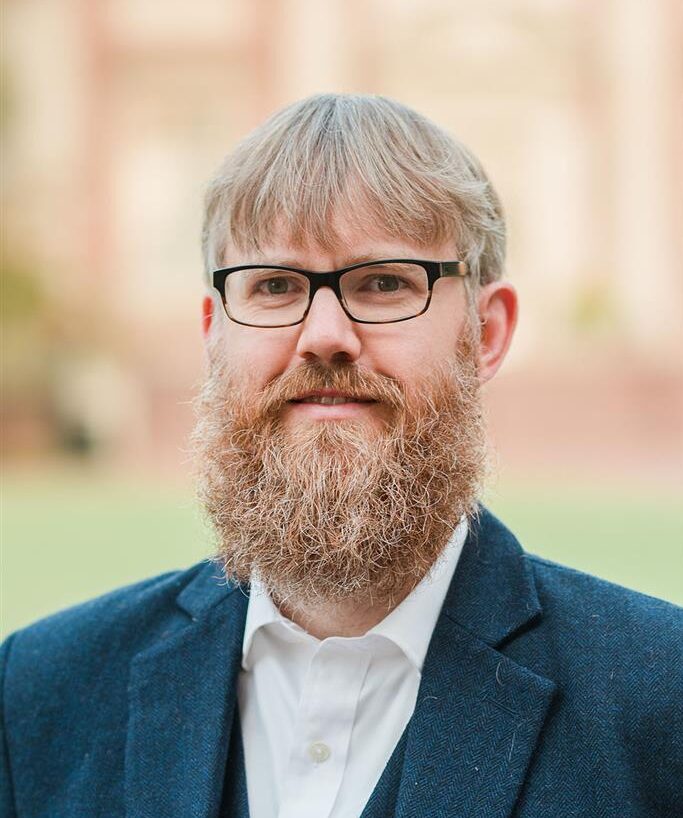
Grant Holbrook (VCU class of 2006) is a teacher of Theology, Rhetoric, and Hebrew at Veritas School. A longtime Richmonder, Dr. Holbrook’s graduate work at Union Presbyterian Seminary focused on the Hebrew Bible, particularly the Hebrew poetry of the Psalms. Teaching Christian Scripture and Theology, he has filled the past nine years reading St. Augustine’s Confessions and City of God with high school students. Currently, he is writing a book on the life and insight that spring up from teaching City of God to high school seniors. He and his family live happily on Richmond’s north side.
Only in Order to Reveal a Mystery: Aquinas and Apocalypse in Flannery O’Connor
The Rev. Danny Hindman
Tuesday, November 10, 7:00pm
Scholé House/BCM, 819 S. Cathedral Place, VCU
This talk will propose that the work of celebrated 20th century American novelist and short-story writer Flannery O’Connor “shows” what Thomas Aquinas “tells” regarding God’s nature and the operation of Grace in creation.
O’Connor’s work is characterized by its use of violence amid the grotesquerie of the American South, so much so that it was initially mistaken as a literary nihilism and O’Connor a “hillbilly nihilist.” O’Connor herself, however, wished to be understood as a “hillbilly Thomist” whose stories were as they were “the only way to make people see.”
In describing her own work, O’Connor was known to say often that while her stories are violent, and her characters often killed, nevertheless, “no one gets hurt.” This is because in her work violence is in service to apocalypse: God breaks through to perfect her characters one way or another. In this way, O’Connor’s apocalyptic vision reveals the fundamental insight of Aquinas about Grace’s restorative (rather than destructive) effects. For O’Connor, God is always already “there,” and what she hoped to help people “see” was nothing less than themselves in relation to God.
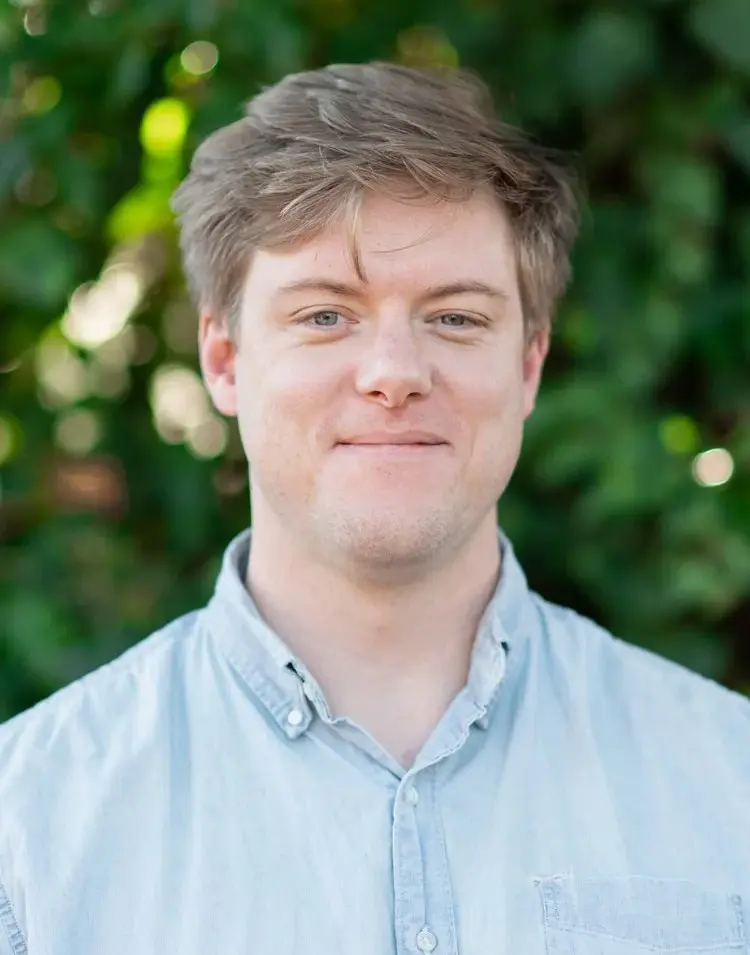
Danny is an Anglican priest and Vicar of All Souls Anglican Church in Richmond, which he helped plant in 2022. Before Richmond, Danny was a chaplain to students at the University of Wisconsin along with a brief stint in the corporate world. A native midwesterner, he holds degrees from Wheaton College (BA), Covenant Theological Seminary (MDiv), Nashotah House Theological Seminary (STM) and is currently a PhD candidate at Durham University. His academic interests are broad but include 20th c. Catholic theology, philosophical theology, apocalyptic theology, political theology, as well as poetics and aesthetics. Also Flannery O’Connor.
Reading Groups
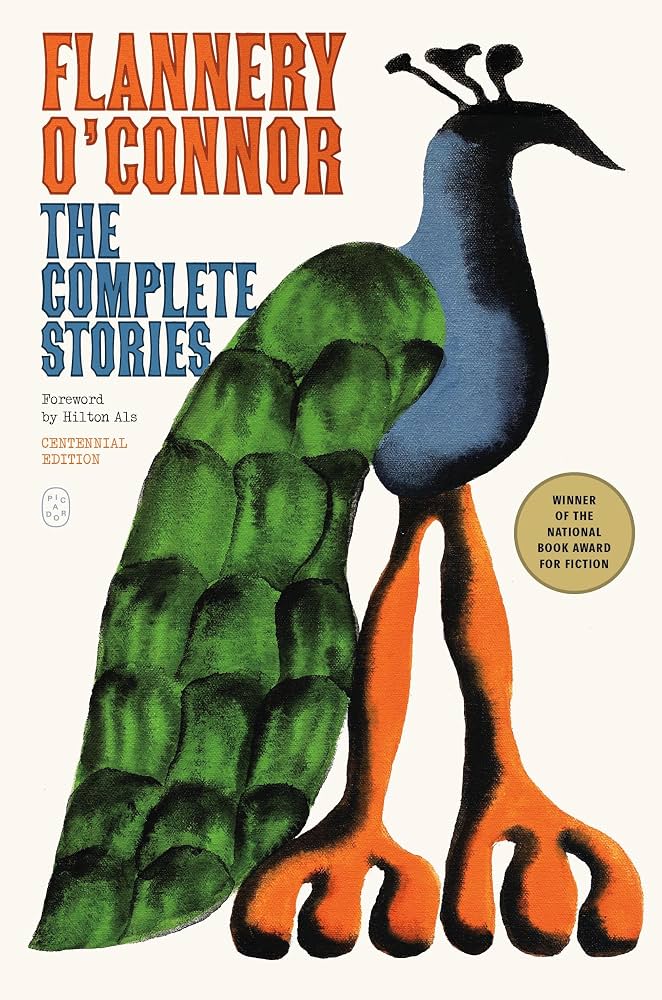
Flannery O’Connor Short Stories
PREVIOUS LECTURES
Can we Solve Scarcity? Can we Survive Abundance?
Things are too expensive, but the vast productive potential of Artificial Intelligence (A.I.) promises to make things cheap. But is this promise real? We are faced with a crisis of affordability coupled…
Anatomy of a Song: Music as Language of Hope and Sorrow
Musicians know, and the rest of us suspect, that music is its own language. Music is able to convey powerful emotion and meaning in a way that mere words fall…
We Are All Patrons: Common Grace and The Public Art of Richmond
Richmond is home to an abundance of art, much of it in the form of building murals which are freely accessible to the general public going about their daily business….
Homo Sapiens vs. Homo Patiens or: How One Might Learn to Stop Worrying and Love AI
In this talk, I will discuss two philosophical anthropologies: one of agency (homo sapiens) and one of passivity (homo patiens). For biological and sociological reasons, the former has dominated human…
Reflections on a Career Involving the Life of the Mind: A Case Study of a Christian Professor
Ev Worthington, PhD, VCU Psychology Professor EmeritusTuesday, February 4th, 7:00 BCM/Scholé House, 819 S. Cathedral Place, VCU At the end of 2024, Greater Good Magazine identified two studies—(1) testing the effectiveness…
The Economy of the Kingdom of God
The Economy of the Kingdom of God Stephen Day, PhD, VCUMonday October 28, 7:00 Scholé House, 819 S. Cathedral Place, VCU Jesus of Nazareth preached about the coming kingdom of God,…
Casting a Vision in Troubled Times: Learning From The Black Intellectual Tradition
Casting a Vision in Troubled Times:Learning From The Black Intellectual Tradition Angel Adams Parham, PhD Sociology, UVA. Monday, September 23, 7:00Scholé House, 819 S. Cathedral Place, VCU Many sense that…
The Elusive Soul: Christian Thought and Debates about the Relationship Between Body and Soul
This talk examined the philosophical ideas that have shaped Christian thought through the ages about the soul and its relationship to our physical bodies.
How “Artificial” is Artificial Intelligence?
The age of AI is upon us. AI has infiltrated many aspects of our day-to-day lives whether we know it or not.
Loneliness and Connection in Augustinian Theology
The wisdom and thoughts of Augustine on the joy and trials of friendship and connection.
Audio recordings of previous events
“I’m Listening“ with the Taylor Barnett Quartet
“Choose Today: A Christian’s View of Economics” by Dr. Stephen Day
“Suffering, Evil, and God, part 2,” by Dr. Andrew Moon (philosophy)